

LIVESTOCK
The Barron County 4‑H Livestock Project gives youth the chance to dive into the world of animal agriculture through hands‑on learning, responsibility, and real‑world skill building. Members can work with beef, swine, sheep, goats, and other livestock species while gaining confidence, leadership experience, and a deeper understanding of modern farming
Quick Links
The Latest Livestock Project News
Check here for important reminders and Livestock project information.
Current Out of County Events and Deadlines
Interested in opportunities outside of Barron County, but can’t keep registrations and deadlines straight? We will try out best to keep this post updated. The Barron County 4-H Leaders Association has funds to help support youth attending these experiences. Learn more about that under Event Funding on the 4-H Information Hub. You can also find […]
Important Dates
The Barron County Youth Livestock Program has several dates of importance. Make sure to continue to check back for required attendance/registration information.
Key Milestones
Junior Livestock – Important Dates and Information 2025-2026
- Fall Livestock Committee Meeting
- Beef weigh-in – December 6, 2025, 9 AM – 11 AM at Equity in Barron
- Sheep Weigh-in – April 22, 2026 4 – 7 PM at fairgrounds –
- Sheep Weigh-in Information (not available)
- Hog Registration Deadline – April 22, 2026 by 11:59 PM (online)
- Hog Registration Information (not available)
- Hog Registration Link (not available)
- YQCA Meeting (option 1) – March 3 at 6:00 PM at Barron High School Commons
- YQCA Meeting (option 2) – March 24 at 6:00 PM at Barron High School Commons
- Kick-off Meeting – June 10
- Winter Livestock Committee Meeting – January 7 at 6PM
- Spring Livestock Committee Meeting – April 29 at 6PM
2025 – 2026 Livestock Project Dates
Getting Started
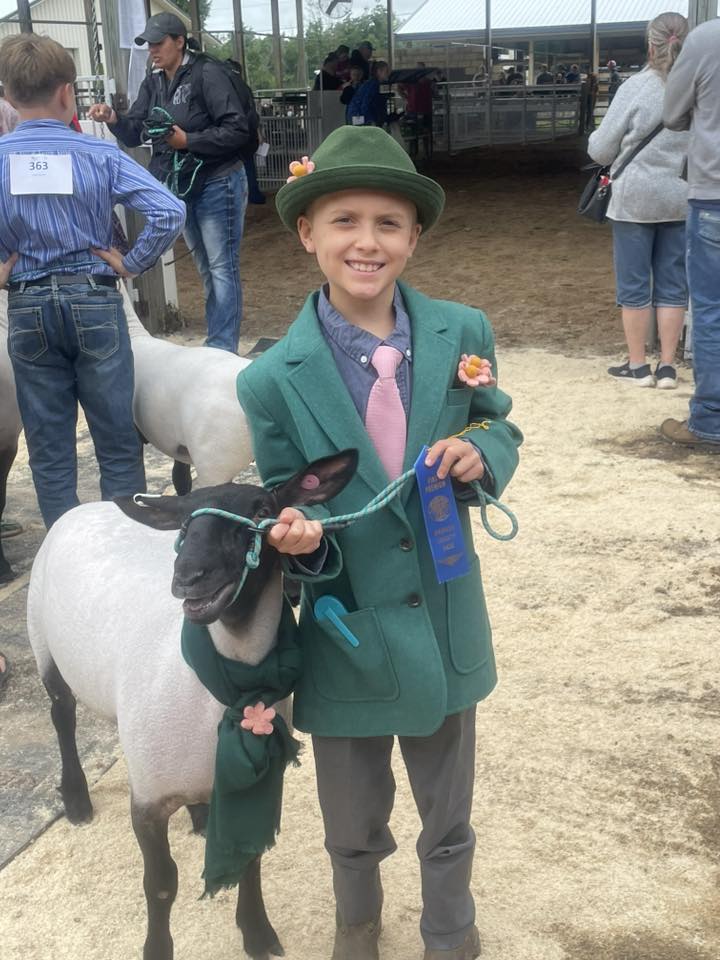
The Livestock Project offers meaningful learning and growth, but it also comes with real responsibilities. New families should plan for ongoing time commitments, financial costs, and daily care expectations. Knowing what the first year involves helps set everyone up for a positive and successful experience.
Beef Project
More information coming soon.
Sheep Project
More information coming soon.
Hog Project
More information coming soon.
Livestock Show and Sale
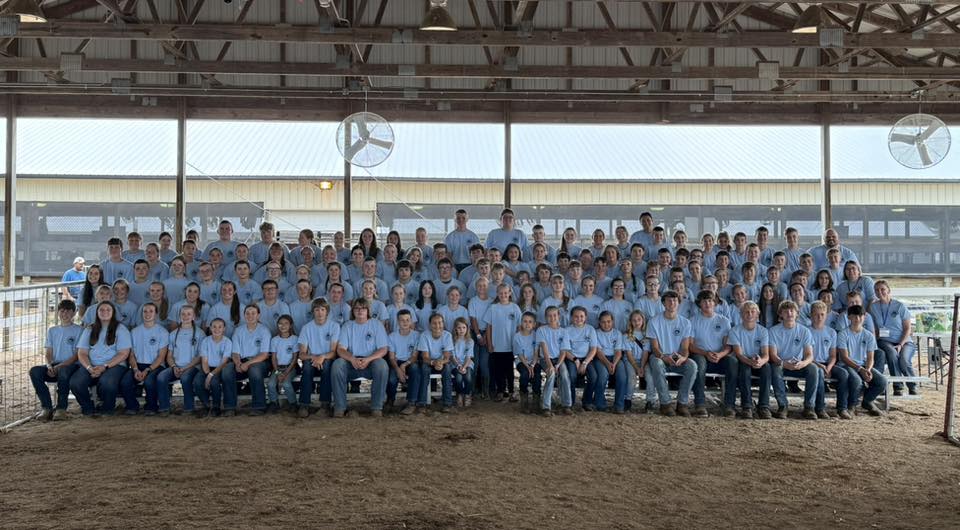
The Junior Livestock Show and Sale Project (Beef, Sheep, Swine, Miss Q (Dairy) is designed to motivate youth in 4‑H, FFA, and similar organizations to take on livestock projects while gaining hands‑on experience in animal care, record‑keeping, and the livestock industry. Its purpose is to help members grow in responsibility, develop practical skills, and understand the full process of raising an animal from youth to market. Participants can earn premiums to support future projects or education, learn the basics of production and financial management, improve herdsmanship, and build sportsmanship and cooperation within their clubs and communities.
Livestock Show and Sale Guidelines
The following guidelines were established for the Barron County Junior Livestock and Sale project
Livestock Show and Sale Forms
The following forms are required for the Livestock Show and Sale:
- Cost Analysis Form
- Ethics and Compliance
- Cards
- Livestock Project Signature Card
- Livestock Sale Participant Card (complete IF animal is selected for sale)
- Graduating Member Form
- Buyer Signature Card
- Fair Forms (turned in at June Kick-off meeting)
- Country of Origin
- Stalling and/or Pen Form (each species needs separate form)
- Animal Health (bring to fair with each animal-separate form per animal)
- Herdsmanship Form
- Grievance
- Barron County Fair Species Exhibitor Grievance Procedures
- Barron County Fair Grievance Filing Form (obtained at fair office)
- Barron County Fair Grievance Rebuttal
Learning Clinics and Resources
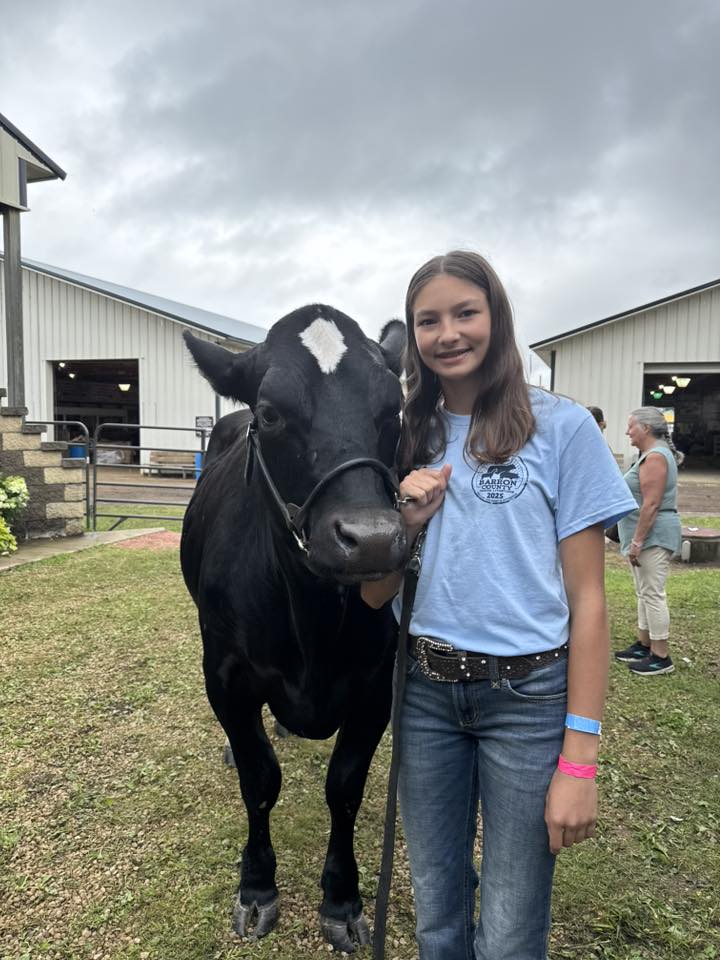
Learning clinics and resources provide hands-on opportunities for members to build skills, ask questions, and gain confidence. Through clinics, practices, and workshops, youth learn alongside one another while strengthening their project learning.
Learning Opportunities
There are several 4-H and community opportunities available throughout the year. The best way to stay informed is through the 4-H E-Blast and watching emails and social media for specific posts.
- YQCA – Youth Quality Care of Animals (required in spring each year)
- Species Specific Clinics/Educational Opportunities
- Statewide Opportunities
Classes, Showmanship and Awards
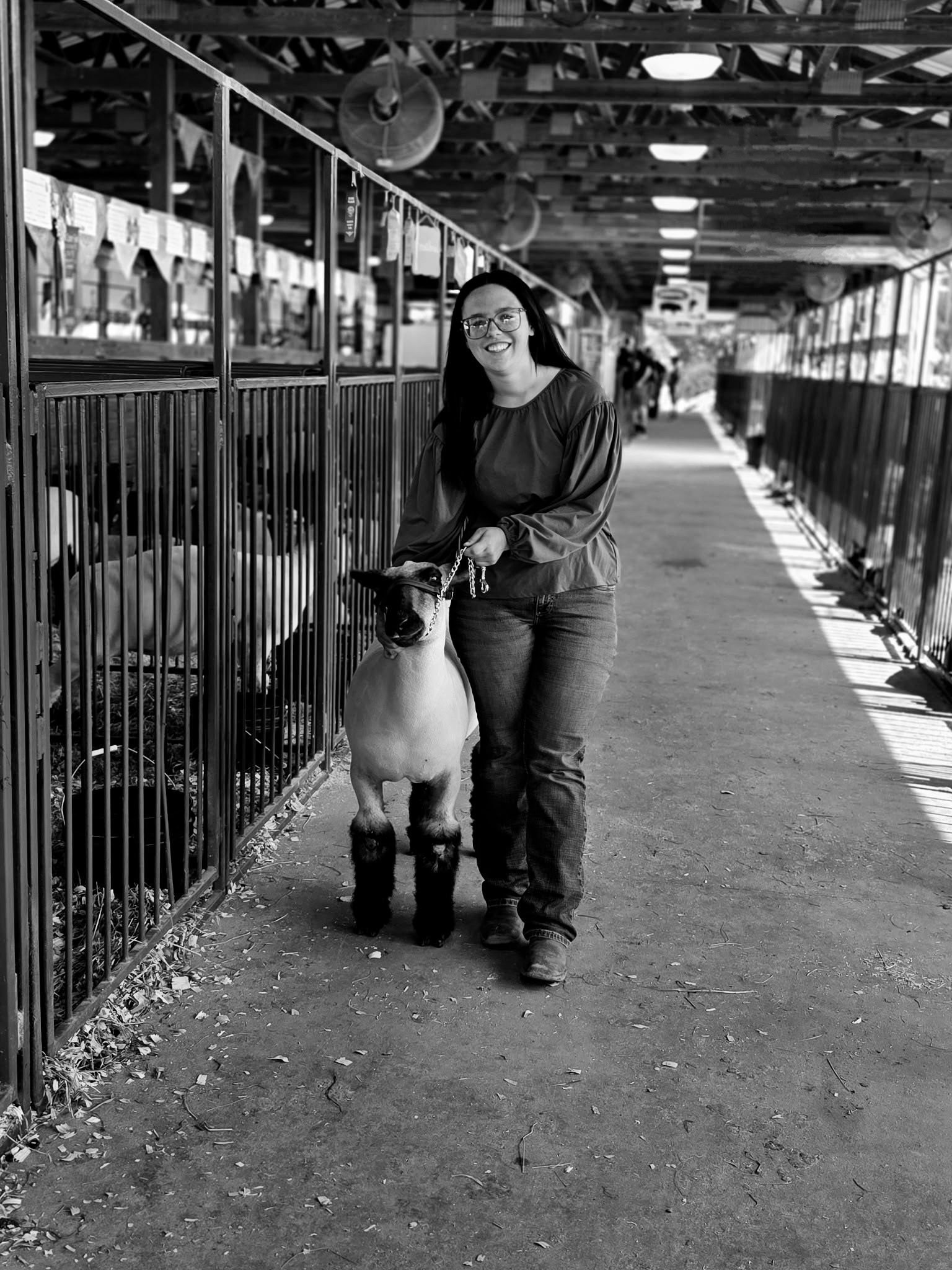
Classes, showmanship, and awards recognize both skill and care throughout the Livestock Project. Youth are grouped by division and age, with judging focused on showmanship, preparation, sportsmanship, and responsibility. From show classes and herdsmanship to showmanship and educational efforts, this section outlines how members are evaluated and how achievements are recognized during fair week.
Divisions Include
- Beef
- Sheep
- Swine
- Goats (not part of livestock sale)
Herdsmanship
Herdsmanship is judged throughout fair week and recognizes excellent care.
- Judged on:
- Coming Soon
Showmanship
Showmanship focuses on the exhibitor’s ability to groom, handle, and present their animal.
- Pre-registration required (you will register when you register for the Barron County Fair in the late spring/early summer.)
- Required for Show and Sale Youth
- Divisions
- Junior (Grades 3–5)
- Intermediate (Grades 6–8)
- Senior (Grades 9–13)
- What Judges Look For
- Coming Soon
Recommended Resources
- Coming Soon
Awards & Recognition
Fair Awards include– awarded per age group in:
- Grand Champion Rate of Gain (no hog Rate of Gain)
- Performance Champion formerly called Overall Champion, (based on one-third rate of gain placing, one-third live placing, and one-third carcass placing)
- Showmanship Winners in Junior, Intermediate, Senior classes, and Reserve Showmanship (all species)
- Bred and Owned Champion will also be given in each species. Bred and Owned is defined as bred, born, and raised on exhibitors premises and exhibited in Barron County.
- Rosette Ribbons will be presented in all species to Grand and Reserve Champions (Market Classes) of the live show, Showmanship classes, (grand and reserve winners in Junior, Intermediate and Senior) Bred & Owned classes, Breeding Stock Champions. In addition, banners will also be presented to the Grand and Reserve Champion market class and showmanship winners of the live show.
- Carcass Award All sale animals will be entered in the Carcass Contest. All sale participants and exhibitors are encouraged to attend the Carcass and Livestock Awards Program held after the fair.
4-H Record/Showcase
- Awards plaque to youth in each age group (3-5, 6-8, and 9+) for record keeping. See Record Book pages for updated guideliens.
Fair Week Details
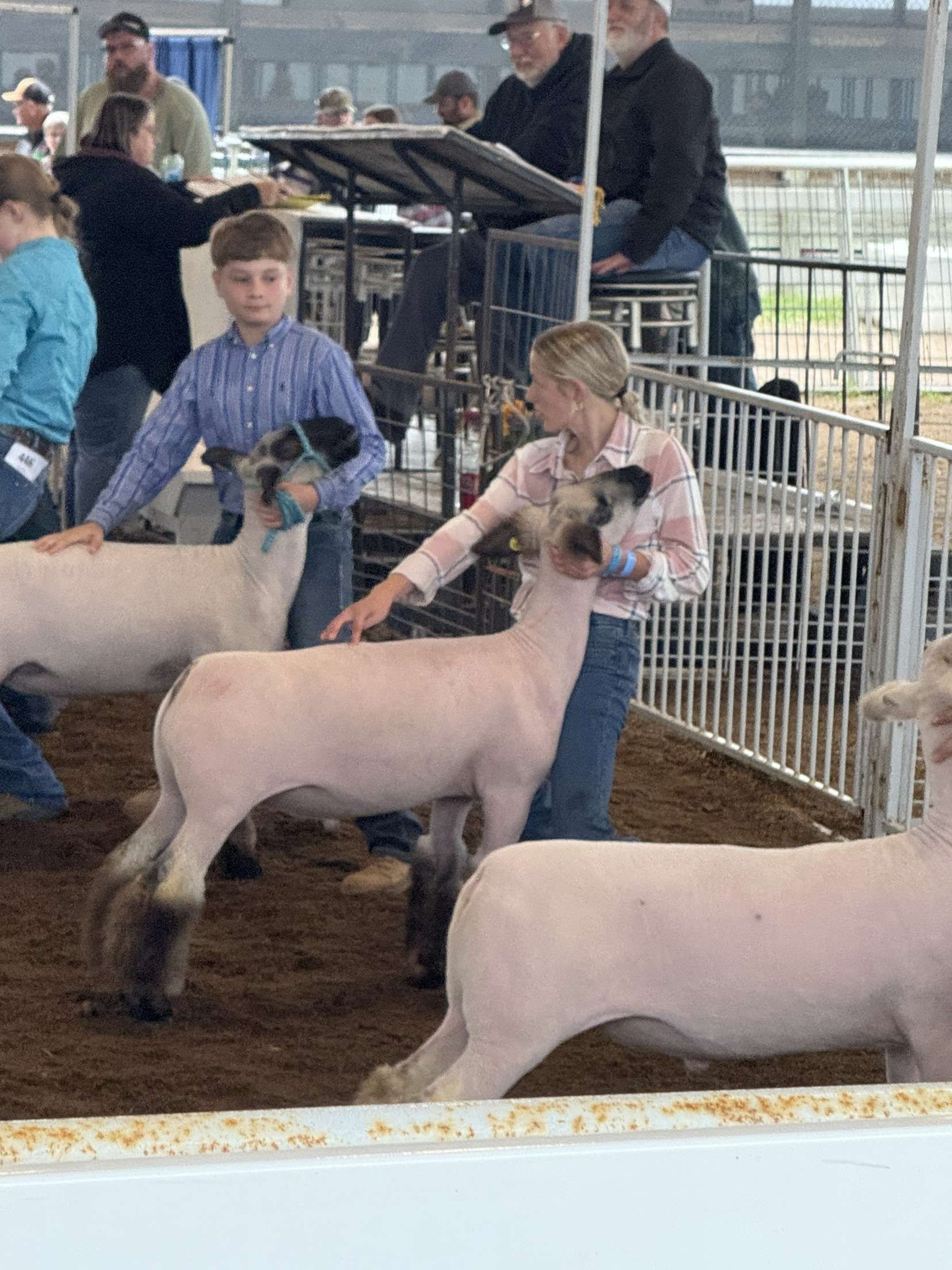
Fair week brings together everything members have worked toward throughout the year. From arrival and daily care to showing, sportsmanship, and clean-up, each part of the week requires preparation, responsibility, and teamwork. This section outlines what families and exhibitors need to know to keep aimals healthy, barns safe, and the fair experience organized and positive for everyone involved.
County Fair Exhibitor Guide
🐾 Animal Health & Well‑Being
Keeping animals healthy is the foundation of a successful fair.
Before Arrival
- Complete all required health checks and bring documentation (vaccination records, health papers, etc.).
- Monitor animals for illness in the days leading up to the fair—no coughing, diarrhea, lethargy, or unexplained injuries.
- Practice proper grooming and conditioning so animals arrive clean, calm, and ready.
- Pack a first‑aid kit with basic supplies (thermometer, wound spray, extra halters, electrolytes).
During the Fair
- Provide fresh water and feed regularly—animals dehydrate quickly in hot barns.
- Clean pens and stalls daily to reduce odor, flies, and disease spread.
- Avoid sharing equipment like buckets or brushes between exhibitors.
- Limit stress by keeping noise down, handling animals gently, and giving them rest time.
- Report any signs of illness to the barn superintendent immediately.
🏠 Barn Safety & Cleanliness
A safe barn protects animals, exhibitors, and visitors.
General Barn Rules
- No running, roughhousing, or climbing on gates—livestock barns aren’t playgrounds.
- Keep aisles clear of feed bags, tack boxes, hoses, and chairs.
- Use proper footwear—closed‑toe shoes are a must.
- Supervise younger exhibitors during chores and animal handling.
- Follow fire safety rules—no open flames, smoking, or extension cords unless approved.
Animal Handling Safety
- Always be aware of your surroundings—animals can spook easily.
- Use appropriate halters, leads, and show equipment in good condition.
- Tie animals securely and safely using approved knots and tie points.
- Respect others’ animals—never touch or feed an animal without permission.
📅 Organization & Fair Etiquette
A smooth fair depends on everyone doing their part.
Communication & Scheduling
- Know your show times and arrive early for check‑in, weigh‑ins, and classes.
- Listen for announcements—schedules can shift.
- Stay in contact with leaders and superintendents for updates or rule clarifications.
Showmanship & Sportsmanship
- Be courteous to judges, volunteers, and fellow exhibitors.
- Congratulate others—win or lose, everyone worked hard.
- Keep your area tidy—your pen, tack space, and seating area reflect on your club.
- Represent your club and community well when interacting with the public.
Recordkeeping & Responsibilities
- Complete project records and required forms before deadlines.
- Label all equipment to avoid mix‑ups.
- Plan for animal care coverage if you need to leave the grounds.
🌼 Creating a Positive Fair Experience
The fair is about learning, community, and fun.
- Be patient and flexible—fairs are busy, unpredictable environments.
- Help others when you can—a borrowed brush or an extra hand goes a long way.
- Thank volunteers and staff—they make the fair possible.
- Enjoy the experience—take photos, make memories, and celebrate your hard work.
FAQ
This section answers common questions families have when deciding to participate in the Livestock Project and preparing for fair and project activities.
Frequently Asked Questions
Here, you’ll find answers to common questions about the Livestock Program. If you have additional questions, please don’t hesitate to contact us.
How do I participate?
Youth who want to show livestock can participate in the Livestock Show and Sale (beef, sheep, swine, Miss Q) or show breeding stock at the fair. The Livestock Show and Sale has very specific guidelines (see above). Youth can also exhibit posters and educational projects.
When do I need to sign-up?
Youth must be enrolled in their respective organization prior to weigh-ins OR YQCA, whichever comes first.
What is required to participate in the Livestock Sale at the fair?
See the list of guidelines for full details. Youth MUST meet all deadlines, attend YQCA, and be in good standing in their organization. 4-H Members must submit a yearly member record to keep their eligibility for the sale.
Where can I get help?
Reach out to the contacts below or the local Extension office or your ag instructor. We will help you find answers to all of your questions.
Contacts
Questions are always welcome. If you need clarification, support, or have concerns at any point during the Livestock Project year, please reach out.
- Livestock Project Contact:
- Beef: Kristin Hanson/Pete Kolpack (contact the 4-H office for a list of sheep project volunteers)
- Sheep: Kristin Hanson (contact the 4-H office for a list of sheep project volunteers)
- Swine: Arlaina Meyer, Jared & Angie Harmon (contact the 4-H office for a list of sheep project volunteers)
- Goats: Shari Briggs
The Barron County 4‑H Livestock Project is more than shows and auction day. It’s a year‑round journey of learning, responsibility, and teamwork shared by youth, families, volunteers, and their animals. By planning ahead, asking questions, and supporting one another, members help create a safe, positive, and rewarding experience for everyone involved. We’re glad you’re part of this Livestock Project community and look forward to a great year together.