

Barron County 4-H Horse Project
The Barron County 4-H Horse Project helps youth grow their skills and confidence through hands-on work with horses. Members learn horsemanship, responsibility, safety, and sportsmanship while building leadership and teamwork. This page shares everything families need to know, from getting started and choosing a path to fair week details and year-round expectations.
Quick Links
The Latest Horse Barron Count y 4-H Project News
Check here for important reminders and 4-H Horse project information.
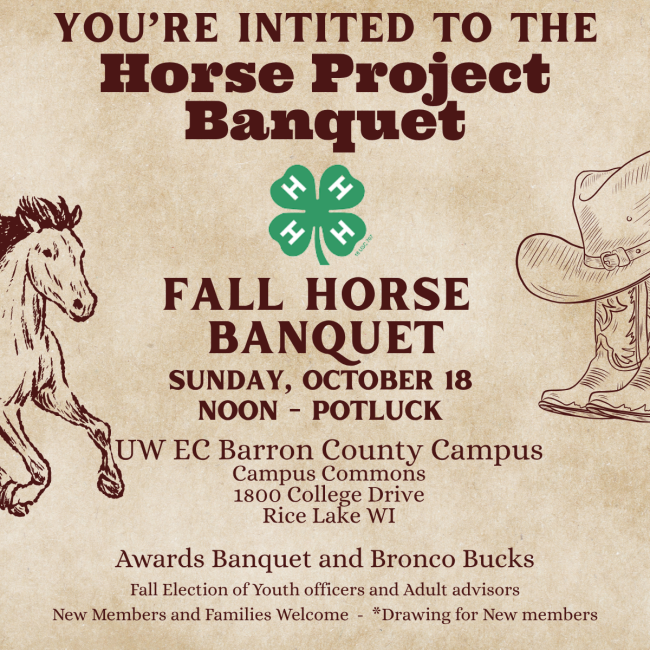
4-H Horse Banquet
You’re Invited: 4-H Horse Banquet Sunday, October 18 (Noon) — Bring a dish to pass UW EC Barron County Campus Commons (1800 College Drive, Rice Lake WI 54868) Awards Banquet and Bronco Bucks Fall Election of youth officers and adult advisors New Members and Families Welcome – *drawing for new members.
Current Out of County Events and Deadlines
Interested in opportunities outside of Barron County, but can’t keep registrations and deadlines straight? We will try out best to keep this post updated. The Barron County 4-H Leaders Association has funds to help support youth attending these experiences. Learn more about that under Event Funding on the 4-H Information Hub. You can also find […]
Horse Project – Communication App
BAND App-Communication If you have not added the BAND app-this is the communication tool for the horse project this year. Open this invite link below on your smartphone or desktop to join the group. Please check your email or contact the 4-H office for the link to the Horse Project Band Group. Here is a […]

Save the Dates! State 4-H Horse Events
Explanation of forms/expectations for the horse project (posted on website) – Forms Don’t forget to check out the Barron County 4-H Horse project website where you will find all of the information you need (current forms and the links below will be posted 2/20). If you have questions, please contact Sheila Kisling, Project Advisor (Email: crosshairstables@gmail.com; […]

2026 Barron County & State 4-H Horse Project Dates
Here are the key dates for the 2026 Horse Project year. Please mark your calendars and watch for additional updates from the county and state offices. Questions?Contact Sheila Kisling at crosshairstables@gmail.com or 715-651-1213.
Important Dates
The Horse Project runs year-round, with meetings, practices, deadlines, and fair activities across all seasons.
The Wisconsin 4-H Association also has a variety of events/opportunities including: State Educational Days, Hunt & Dressage Show & Clinic, State Gymkhana, State 4-H Expo. Visit the Wisconsin 4-H Horse Association page for more details!
Key Milestones
- Fall awards and welcome meeting
- Winter and spring project meetings
- Safety meeting and paperwork deadlines
- Open riding nights and drill team practices
- State Experiences and opportunities
- Fair registration deadlines
- Barron County Fair and State Fair events
- Tip: Horse projects require early planning. Families should begin thinking about goals, horse access, and paperwork months before fair season.
2025 – 2026 Horse Project Dates
Getting Started
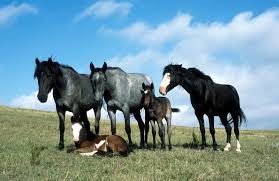
The Horse Project offers meaningful learning and growth, but it also comes with real responsibilities. New families should plan for ongoing time commitments, financial costs, and daily care expectations. Knowing what the first year involves helps set everyone up for a positive and successful experience.
Time Commitments
- Daily horse care (feeding, watering, stall or pasture management)
- Regular riding or groundwork practice
- Project meetings, clinics, and practices
- Extra preparation time before fair
Costs vary depending on whether a horse is owned, leased, or borrowed.
Tip: Ask experienced families for guidance early. It can save money and stress.
Cost Commitments
- Feed, bedding, and basic care
- Tack and safety equipment
- Veterinary care, including Coggins testing
- Fair-related expenses
Care Commitments
- Horses need consistent daily care
- Youth are expected to actively participate
- Safety and responsibility are core expectations
Choosing Your Path
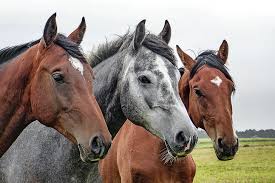
Members can choose from a wide range of ways to participate in the Horse Project. Options include riding disciplines such as Western, Hunt or Saddle Seat, Ranch Riding, Trail, and Pleasure, as well as speed, skill, and team events like gymkhana and Drill Team. Driving classes are also available, along with non-riding options such as in-hand classes, Horseless Horse, hippology, and educational exhibits. These choices allow youth to participate at their own pace, explore their interests, and build skills in ways that fit their experience level.
Drill Team
Drill Team Guide Book
Drill Team Schedule
Riding Disciplines
- Western
- Hunt/Saddle Seat
- Ranch Riding
- Trail (English or Western)
- Pleasure classes
Speed, Skill and Team Events
- Gymkhana events (barrels, poles, key race, flag race, cloverleaf)
- Drill Team
Driving
- Pleasure Driving
- Reinsmanship
- Cones
- Line Driving
Non-Riding Options
- In-hand classes
- Horseless Horse
- Hippology
- Educational exhibits
- Tip for New Families: Walk-trot, in-hand, or horseless horse are excellent entry points.
Educational Exhibits & Hippology
- Educational Exhibits
- Horse-related topics
- Face-to-face judged
- Open to horse and horseless members
- Hippology
- Knowledge-based contest
- Held in the spring
- Open to grades 3–13
- Both contribute to learning and versatility recognition
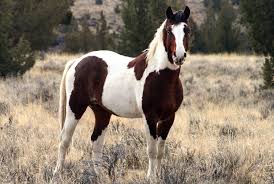
Horse Project Timeline
The Barron County 4-H Horse Project runs year-round. Planning early helps families stay organized, meet deadlines, and enjoy the season.
Month by Month Timeline
The Barron County 4-H Horse Project runs year-round. Planning early helps families stay organized, meet deadlines, and enjoy the season.
January
- Attend the Horse Project Kick-Off Meeting
- Learn about Drill Team opportunities
- Confirm horse access and care plans
- Begin conditioning plans for horses and riders
February
- Attend the Horse Project Member Meeting
- Focus on skill-building and education
- Review safety rules and helmet requirements
March
- Continue riding and groundwork as conditions allow
- Review paperwork and Coggins requirements
- Participate in learning clinics when available
April
- Increase riding, conditioning, and grooming routines
- Practice showmanship and patterns
- Prepare tack and equipment for the season
May
- Attend the Horse Project Member Meeting
- Final paperwork and forms are due
- Drill Team sign-ups and deadlines
- Continue consistent riding and care routines
June
- Open Riding Nights begin
- Drill Team practices begin
- All horses must have registration and Coggins on file
- Barron County Fair registration deadline
- Focus on fair readiness and conditioning
July
- Final practices and preparation
- Barron County Fair
- Participate in shows, herdsmanship, and educational judging
- Practice good sportsmanship and teamwork
August
- State Fair activities for eligible members
- Complete record books and reflections
- Clean and store equipment
- Celebrate accomplishments and growth
September
- Re-enroll in 4-H Online
- Review Horse Project rules and expectations
- Begin goal setting for the year
- Start planning horse access, budget, and care
October
- Attend the Awards Banquet and Welcome Meeting
- Celebrate the past year and welcome new members
- Begin informal planning for the upcoming season
November
- Review project requirements and fair rules
- Talk as a family about goals and commitment
- Begin budgeting for feed, tack, and veterinary needs
December
- Finalize winter care plans
- Review paperwork needs and deadlines
- Light groundwork or conditioning as weather allows
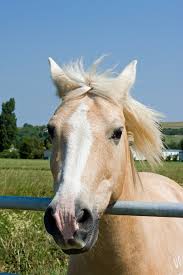
Requirements and Forms
Participation in the Horse Project requires meeting specific enrollment, safety, and paperwork requirements. These steps help ensure a safe, organized, and fair experience for all members, families, and horses. Reviewing requirements early and submitting forms on time is essential for participating in practices, events, and fair activities.
What Must Be Completed to Participate (Forms and Information)
- Enrollment in 4-H and Horse Project (http://wi.4honline.com)
- Member in good standing
- Attendance at required safety meeting
- All forms and dues submitted by deadlines
- Form Checklist (page 1)
- Concussion Protocol (page 2)
- Registration (page 3-4)
- 2 copies of Coggins
- Advertising/Sponsorships (or $75 registration fee) – page 6-7
- Stall Deposit (will be returned if followed)
- Fair Premium Form (page 9)
- Fair Forms – Animal Exhibitor Code of Conduct and Expectations AND Animal Health Form (one per animal)
- Fair Camping Form – Money and form mailed directly to Barron County Fair.
- Form Checklist (page 1)
- Compliance with Wisconsin 4-H Horse Project rules
- Barron County Fair Book (Horse Department) – not updated for 2026 yet
- Barron County Junior Livestock Code of Ethics & Exhibitor Expectations
- NOTE: No horse may be brought to the fair unless it is registered in a class and all paperwork is complete.
Forms (updated 2/20/2026 – Deadline Spring Meeting (all documents)
Coggins Testing Information
Coggins Testing Requirement
To help protect the health of all horses participating in Barron County 4-H horse activities, a current negative Coggins test is required for any horse brought to 4-H events, practices, clinics, or shows.
A Coggins test is a blood test used to detect Equine Infectious Anemia (EIA), a serious and contagious disease that affects horses. Requiring proof of a negative test helps ensure that all horses in attendance are safe and healthy.
Please note:
- The Coggins test must be current within the past 12 months.
- Members should keep a copy of their horse’s Coggins paperwork available when attending 4-H horse events.
- Horses without a current negative Coggins test may not be permitted to participate in events or activities.
Horse Health & Participation Disclaimer
Participation in horse project activities involves working with large animals and outdoor environments. While every effort is made to provide a safe and positive learning experience, Barron County 4-H, UW–Madison Extension, and project volunteers cannot guarantee the health status or behavior of horses brought to events.
By participating in horse project activities:
- Members and families acknowledge the inherent risks associated with working with horses.
- Participants agree to follow all safety guidelines and health requirements, including current Coggins testing.
- Families are responsible for ensuring their horse meets all health and vaccination recommendations from their veterinarian.
Safety, good horsemanship, and respect for animals and fellow participants are expectations for all members.
Helmet Requirement
SEI-approved helmets are required at all times when riding or driving at any 4-H event. This applies to youth and adults.
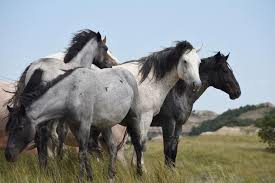
Learning Clinics and Resources
Learning clinics and resources provide hands-on opportunities for members to build skills, ask questions, and gain confidence. Through clinics, practices, and workshops, youth learn alongside one another while strengthening horsemanship, safety awareness, and teamwork. These opportunities support riders of all experience levels and help create a supportive Horse Project community.
Learning Opportunities
- Riding and horsemanship clinics
- Showmanship practice
- Trail pattern walk-throughs
- Grooming and tack care workshops
- Drill Team skill-building
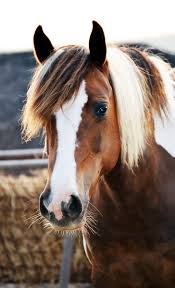
Classes, Showmanship and Awards
Classes, showmanship, and awards recognize both skill and care throughout the Horse Project. Youth are grouped by division and age, with judging focused on horsemanship, preparation, sportsmanship, and responsibility. From show classes and herdsmanship to showmanship and educational efforts, this section outlines how members are evaluated and how achievements are recognized during fair week.
Divisions Include
- Pleasure (Hunt, Western, Driving, Trail, In-Hand Trail)
- Gymkhana
- Ranch
- Driving
- Walk-Trot
- Horseless Horse
Herdsmanship
Herdsmanship is judged throughout fair week and recognizes excellent care. Plaques and a traveling trophy are awarded.
- Judged on:
- Cleanliness of stall area (50%)
- Exhibitor conduct and appearance (10%)
- Stall decorations and name cards (20%)
- Overall horse care (10%)
- Feed and equipment storage (10%)
Showmanship
Showmanship focuses on the exhibitor’s ability to groom, handle, and present their horse.
- Pre-registration required
- Strongly recommended for all exhibitors
- Divisions
- Junior (Grades 3–5)
- Intermediate (Grades 6–8)
- Senior (Grades 9–13)
- Showmanship is offered in Western, Hunt/Saddle Seat, Ranch, Draft Horse, and Horseless Horse.
- What Judges Look For
- Horse grooming and cleanliness
- Exhibitor appearance and control
- Knowledge of horse care and parts
- Confidence and sportsmanship
Recommended Resources
Rider Levels
Some classes are offered by assistance level:
- Novice: Rider with leader
- Beginner: Rider with side walker
- Advanced: No lead person
- These classes are ribbon-only and support riders of all abilities.
Awards & Recognition
High Point Awards– awarded per age group in:
- Pleasure
- Gymkhana
- Ranch
- Walk-Trot
- Horseless Horse
Versatility Award
- Given to the horse/rider combination with the most combined points from horse show classes and educational entries.
Top Groomed
- Selected by judges during the pleasure show for each regular showmanship division.
Fair Week Details
Fair week brings together everything members have worked toward throughout the year. From arrival and daily care to showing, sportsmanship, and clean-up, each part of the week requires preparation, responsibility, and teamwork. This section outlines what families and exhibitors need to know to keep horses healthy, barns safe, and the fair experience organized and positive for everyone involved.
Barron County Fair Camping
Many 4-H families choose to camp at the Barron County Fairgrounds during fair week. Camping can be a convenient way to stay close to the barns, shows, and other fair activities.
Camping permits, campsite assignments, fees, and rules are all managed directly by the Barron County Fair.
Families interested in camping should note that:
- A camping permit application is required
- The application deadline is July 1
- Camping fees are set by the fair
- Campsites are limited and assigned by the fair office
For complete details, current fees, rules, and the official camping application, please visit the Barron County Fair website:
Barron County Fair Camping Information
This form will need to be submitted directly to the Barron County Fair office.
All questions regarding camping reservations, site assignments, and payments should be directed to the Barron County Fair Office.
Check-In & Health
- Horses must arrive during assigned check-in times
- All required paperwork must be completed and on file before arrival
- Horses must meet all health and soundness standards to remain on the grounds
Stalls & Decorations
- Stall decorations are chosen by youth and should show pride in their project
- All decorations must be safe for horses, exhibitors, and visitors
- Stalls and decorations are judged as part of herdsmanship
- Decorations must be completed by noon on Friday
Judging Days
- Exhibitors must arrive on time and be prepared for their classes
- Neat, appropriate attire is required
- Courtesy, sportsmanship, and respect are expected at all times
Care During Fair
- Horses must be fed and watered daily
- Stalls must be cleaned and maintained throughout the week
- Youth are expected to actively help with daily care and barn responsibilities
- Herdsmanship scores reflect overall care and cleanliness
Release & Clean-up
- Early release is not allowed
- Horses must remain on the grounds until the designated release time
- Stalls must be thoroughly cleaned before leaving
Fair Packing Checklist
- Horse Care
- halter, feed, water buckets, stall tools
- Tack
- saddle, bridle, pads, spare equipment
- Paperwork
- health form, Coggins, registration
- Rider Gear
- helmet, boots, show clothes
- Extras
- fans, decorations, first aid
Safety & Horse Care Protocols
Safety and horse care are foundational to a successful Horse Project experience. These protocols set clear expectations to protect the health and well-being of horses while ensuring safe, respectful participation for youth, families, volunteers, and spectators. Following these guidelines helps create a positive environment at practices, events, and throughout fair week.
Trailering Safety
- Inspect trailers before travel to ensure tires, lights, flooring, and doors are in good working condition
- Load and unload horses calmly and patiently to reduce stress and risk of injury
- Secure horses properly during transport
- Never leave horses unattended in trailers or tied areas
Arena Safety
- SEI-approved helmets are required at all times when riding or driving
- Ride horses that are appropriate for the rider’s skill level
- Follow posted arena rules and staff directions
- Unsafe or reckless behavior is not permitted and may result in removal from the arena
Heat & Fatigue
- Offer fresh water frequently, especially during hot or humid conditions
- Use shade, fans, or cooling methods when available
- Schedule rides and workouts thoughtfully to avoid overheating
- Watch for signs of heat stress or fatigue and act quickly if concerns arise
When to Keep a Horse Home
- Do not bring horses that are lame, sick, unsafe, or poorly conditioned
- Horses should be physically and behaviorally prepared for the demands of the fair
- Notify a superintendent if health or safety concerns arise
FAQ
This section answers common questions families have when deciding to participate in the Horse Project and preparing for fair and project activities.
Frequently Asked Questions
Do we need to own a horse?
No. Horses may be owned, leased, or borrowed, as long as the horse is suitable for the project and all requirements are met.
Are helmets required for adults?
Yes. SEI-approved helmets are required for all riders and drivers, including adults, at all 4-H Horse Project activities.
Can one horse enter multiple classes?
Yes, if allowed by class rules and the horse is properly registered for each class.
Is this project appropriate for beginners?
Yes. The Horse Project welcomes youth of all experience levels. Walk-Trot, in-hand, horseless horse, and beginner classes are great starting points.
Is this project appropriate for beginners?
Yes. The Horse Project welcomes youth of all experience levels. Walk-Trot, in-hand, horseless horse, and beginner classes are great starting points.
Can youth participate without riding?
Yes. Horseless Horse, in-hand classes, hippology, and educational exhibits allow members to participate without riding.
Can youth participate without riding?
Yes. Horseless Horse, in-hand classes, hippology, and educational exhibits allow members to participate without riding.
What happens if my horse becomes sick or unsound before fair?
Horses that are sick, lame, unsafe, or poorly conditioned should not be brought to the fair. Contact a superintendent if concerns arise.
Contacts
Questions are always welcome. If you need clarification, support, or have concerns at any point during the Horse Project year, please reach out.
- Horse Project Contact:
- Sheila Kisling
- Email: crosshairstables@gmail.com
- Phone: 715-651-1213
- Michelle Stouffer
- email: michelleleigh1@yahoo.com
- Phone: 715-419-0094
The Barron County 4-H Horse Project is more than shows and ribbons. It is a year-long journey of learning, growth, and teamwork between youth, families, volunteers, and horses. By planning ahead, asking questions, and supporting one another, members help create a safe, positive, and rewarding experience for everyone involved. We are glad you are part of this Horse Project community and look forward to a great year together.